


There is a trail of 8x unique disks located across the site, each is suitable for rubbing so you can take home a copy of the artist’s drawing (all you’ll need is a crayon and some paper).
Each intricate artwork was hand drawn by the artist and celebrates the dual theme of HERITAGE and NATURAL HISTORY.
P.S. if you want to find out more about the heritage of Heyford Park you can visit our onsite Heritage Centre.
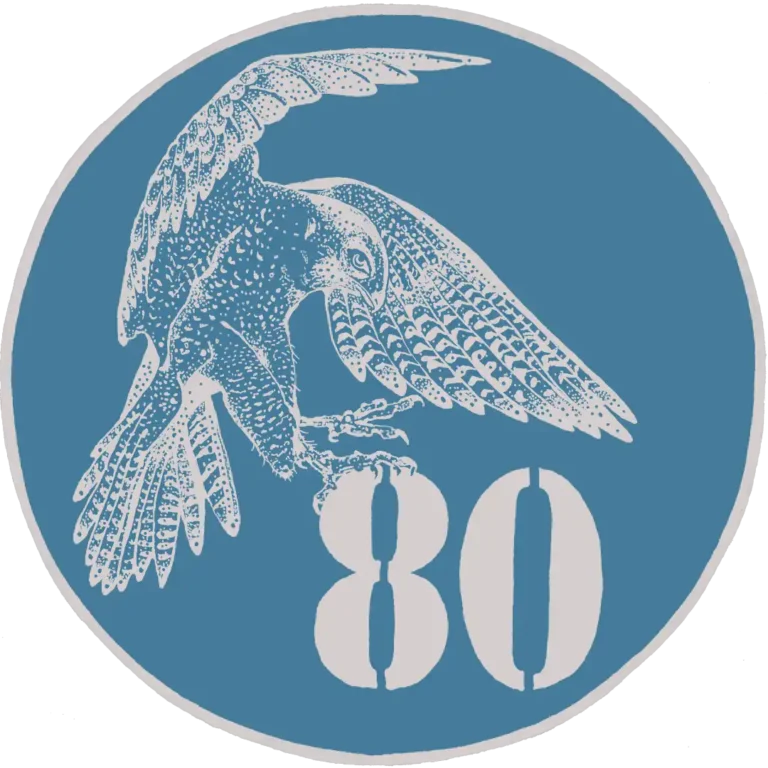
Heyford Park’s heritage is deeply rooted in its 80-year aviation history, beginning in 1913 with Captain Dawes landing at Heyford to ask for directions and culminating in the closure of the flightline in 1993, while its natural history theme highlights the presence of the Peregrine Falcon, a protected species that can be supported by fostering biodiversity through conservation of the food chain. Peregrine falcons were also used by Blue Falcon Bird Control to deter other birds from the airbase which could cause damage to aircraft through collision or being sucked into the engine air intakes.
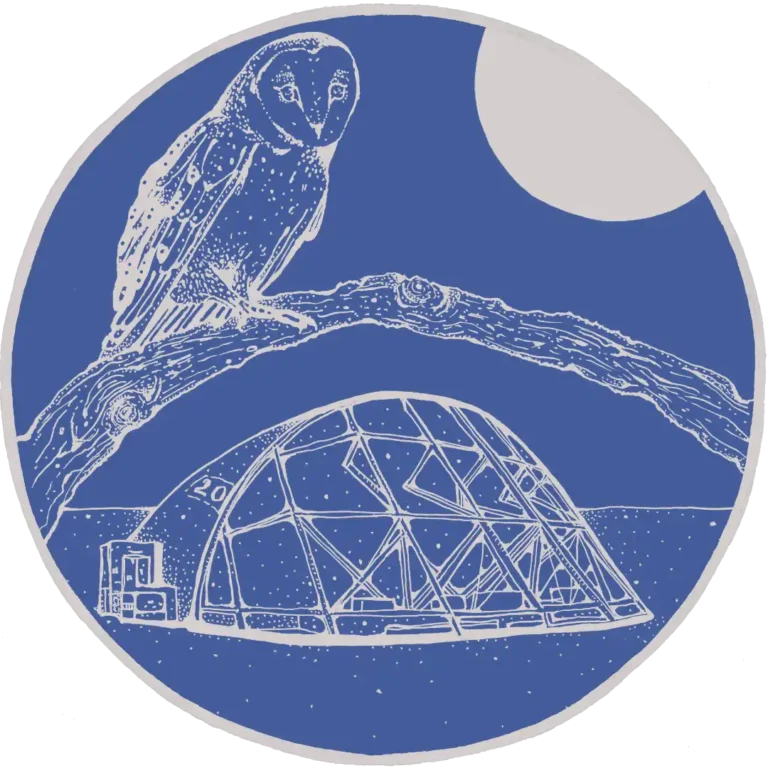
The airfield is marked by its 56 distinctive Hardened Aircraft Shelters (HAS), including HAS 20, which honours ATA pilot Jacqueline Cochran, while its natural history theme features the resident Barn Owls, whose conservation can be supported by fostering biodiversity and minimising pesticide use to protect their prey.
Honouring Captain Jerry Lindh and Officer David McGuire for their life-saving actions during a 1992 aircraft incident, while the natural history theme highlights the importance of roses and poppies in supporting pollinators and biodiversity


The EF-111A Raven electronic warfare aircraft was based at Upper Heyford from 1984 to 1992. The natural history theme emphasises the ecological and cultural significance of the common raven.

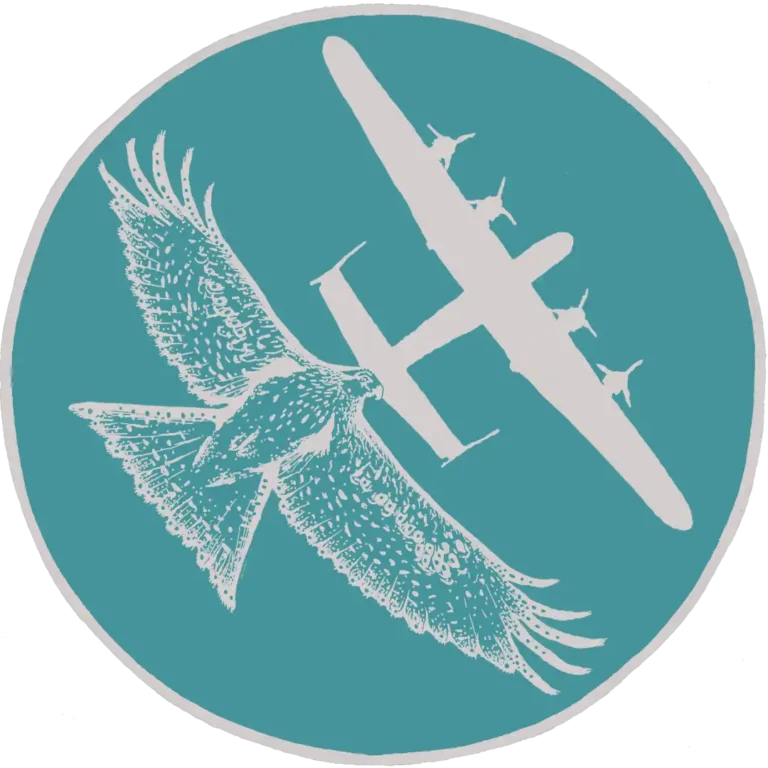
During WW2 (1939-1945) RAF Upper Heyford trained bomber crews including some of the ‘Dambusters’. Gibson Drive is named after Wing Commander Guy Gibson VC who led the raid and was stationed as a flying instructor at RAF Upper Heyford in 1940 while the natural history theme highlights the red kite’s reintroduction and its role as a scavenger within the ecosystem.
The heritage theme highlights the enduring legacy of American culture at Heyford Park through the iconic fire hydrant, while the natural history theme emphasises the ecological significance of elder bushes and their role in supporting local wildlife.

HERITAGE INSPIRATION
Heyford Park’s 80-year aviation legacy began in February 1913 when Captain Dawes made a landing near Heyford to ask for directions while en route from Farnborough to Montrose, Scotland, marking the site’s first known aircraft arrival. The airfield officially opened as a military aerodrome in 1918 and closed down the following year with the end of the Great War (1914-1919), after a return to farming, the site was purchased by the Air Ministry in 1924 and a new aerodrome opened with permanent infrastructure in 1927. In 1950 United States Air Force engineers arrived to upgrade the site to become a US Strategic Air Command nuclear-armed bomber base. From 1951 until its closure was announced in 1993, USAF bomber, reconnaissance and strike aircraft were based here, with the final aircraft departing in December of 1993. The base officially ceased operations in 1994.
NATURAL HISTORY INSPIRATION
The Peregrine Falcon (Falco peregrinus), a regular visitor to Heyford Park, is renowned as the fastest animal in the world, capable of reaching speeds of up to 240 miles per hour during its hunting stoop. Peregrines are widely distributed across the globe, often inhabiting mountainous regions, river valleys such as the Cherwell Valley, and coastal areas. Their primary diet consists of medium-sized birds, particularly pigeons. Peregrine populations experienced a dramatic decline during the 1950s–70s due to the effects of pesticides entering the food chain and human persecution. Although their numbers are now recovering, with an estimated 1,500 pairs in Britain, they remain a protected species under UK law through the Wildlife and Countryside Act 1981, which makes it a criminal offence to intentionally harm or disturb these birds. Peregrine falcons were also used by Blue Falcon Bird Control to deter other birds from the airbase, when it was active, which could cause damage to aircraft through collision or being sucked into the engine air intakes.
HERITAGE INSPIRATION
The airfield at Heyford Park is home to 56 Hardened Aircraft Shelters (HAS), known for their characteristic arch-shaped design and counterweighted metal door scaffolding. Of the 56 HAS structures on site, nine have been designated as scheduled monuments by English Heritage. In 1986, RAF Upper Heyford named the 56 Hardened Aircraft Shelters by popular vote to commemorate Americans who served in the two World Wars, Korea, Vietnam and during the Berlin Airlift, as well as famous American and British pilots, ‘HAS 20’ was dedicated to honour the memory of. Jacqueline Cochran, an American who served with the civilian Air Transport Auxiliary (ATA) which ferried aircraft to and from RAF Upper Heyford during WW2 (1939-1945). One in eight of the ATA pilots were women. In 1953 Jacqueline Cochran became the first woman to fly faster than the speed of sound (767 mph, 1234 km/h).
NATURAL HISTORY INSPIRATION
Heyford Park also serves as a habitat for resident Barn Owls (Tyto alba), recognizable by their distinctive white heart-shaped faces and white breasts. Primarily nocturnal, Barn Owls occasionally hunt during the day, preying mainly on voles and mice, though their diet includes other small mammals and birds. Preferring grasslands and farmlands, they face ongoing threats, with only 4,000 breeding pairs estimated in Britain. The population was significantly impacted by the use of pesticides such as DDT in the 1950s and 1960s.
HERITAGE INSPIRATION
This design commemorates Captain Jerry Lindh and Weapons System Officer David ‘Mike’ McGuire of the 55th Fighter Squadron, USAF, two brave pilots who sacrificed their lives to prevent a catastrophic crash in Upper Heyford Village. On 17th September 1992, while piloting an F-111E during a routine training flight, Captain Lindh reported mechanical issues and attempted to land the aircraft, rather than ejecting when first instructed. The aircraft struck the ground short of the runway, narrowly avoiding the village before coming to a stop and catching fire. Officer McGuire deployed the escape module only after impact, but it failed to gain sufficient height for parachute deployment. Both men succumbed to their injuries, but their decision to delay ejection likely spared many lives in the village.
“Had they ejected their aircraft would most likely have crashed into the village causing an unknown number of deaths and injuries on the ground. They decided to remain with the aircraft and try to get clear of the village. This must be one of the clearest examples on record of men of outstandingly high moral principle sacrificing themselves for the benefit of others.”
Robert Menzies, Chair of Upper Heyford Parish Council 2011-2014
NATURAL HISTORY INSPIRATION
Two flowers have been selected to symbolise the courage of Captain Lindh and Officer McGuire: the rose, representing the flourishing rosebush planted at the crash site, and the poppy, a symbol of remembrance. Both roses and poppies are crucial for supporting biodiversity, as they provide nectar for pollinating insects. Poppies, in particular, offer nourishment at a critical time of year for breeding insects, which play an essential role in plant pollination and as a key component of the food chain. By planting these flowers, individuals can contribute to local wildlife conservation efforts.
In Flanders’ fields the poppies blow
Between the crosses, row on row,
That mark our place: and in the sky
The larks, still bravely singing, fly
Scarce heard amid the guns below.
We are the dead. Short days ago
We lived, felt dawn, saw sunset glow,
Loved and were loved, and now we lie
In Flanders’ fields.
Take up our quarrel with the foe;
To you from failing hands we throw
The torch; be yours to hold it high,
If ye break faith with us who die
We shall not sleep, though poppies grow
In Flanders’ Fields.
HERITAGE INSPIRATION
The disc is rendered in yellow, symbolising the use of yellow Novaline paint for reducing the infra-red signature of key buildings, including the Battle Command Centre and the Telephone Exchange—both of which remain visible from McGuire Road. The film spool represents Heyford Park’s significant social history, from its well-known base cinema to its later use as a filming location for numerous prominent films and TV shows, including Octopussy, World War Z, Wonder Woman, Black Widow, Muppets Most Wanted, Red 2, Fast & Furious 6, Humans, Slow Horses and The Girl with All the Gifts.
NATURAL HISTORY INSPIRATION
The common buttercup (Ranunculus acris), chosen to mirror the yellow theme, is abundant across the site, flourishing in meadows and grasslands. These wildflowers are highly valuable for wildlife, with their pollen-rich flowers and nectar attracting bees, butterflies, and hoverflies, thus playing a vital role in supporting biodiversity.
HERITAGE INSPIRATION
A cartoon Raven with a lightning bolt was the unofficial badge of the 42nd Electronic Combat Squadron at RAF Upper Heyford. The sky is filled with silhouettes of the iconic General Dynamics F-111 Aardvark aircraft, of which a number were converted into the EF-111A Ravens, after which Raven Close was named. The EF-111A, also known as the ‘Spark Vark’ (hence the lightning bolt) specialised in radar and Surface-to-Air Missile system jamming. These aircraft saw their first combat deployment with the 20th Tactical Fighter Wing, stationed at RAF Upper Heyford, during Operation El Dorado Canyon in Libya in 1986. Of the F-111 planes, only 42 were converted into Ravens, with many others at Heyford used for reconnaissance missions. Both the F-111 Aardvark and EF-111A Ravens were based at RAF Upper Heyford.
NATURAL HISTORY INSPIRATION
The common raven (Corvus corax) is depicted as a regular visitor to Heyford Park, and the namesake of the Raven aircraft. Ravens, the largest of the perching birds, are easily recognized in flight by their diamond-shaped tails. Their omnivorous diet includes carrion, mammals, birds, eggs, insects, grains, nuts, and fruits. Ravens mate for life, and it is estimated there are approximately 7,400 breeding pairs in Britain. These intelligent birds play a crucial role in the ecosystem by recycling nutrients and consuming carrion, which helps to prevent the spread of disease. Ravens also hold a significant place in literature and mythology, notably in Norse mythology, where Odin’s two ravens, Huginn (thought) and Muninn (memory), gather information from across the earth.
HERITAGE INSPIRATION
The silhouette of an Avro Lancaster bomber honours Wing Commander Guy Gibson VC, for whom Gibson Drive is named. Gibson was awarded the Victoria Cross for leading the Dambusters Raid (Operation Chastise) in 1943 as the first Commanding Officer of No. 617 Squadron, a unit formed specifically for the mission. The operation required highly skilled pilots capable of low-level night flying at altitudes below 100 metres. Modified Lancaster bombers were used in the raid, equipped to carry the innovative ‘Upkeep’ bouncing bomb. In 1940, Wing Commander Gibson was briefly stationed at RAF Upper Heyford as an instructor with the 16 Operational Training Unit. He died in 1944 at the age of 26, when he failed to return from a bombing raid over Germany.
NATURAL HISTORY INSPIRATION
The red kite (Milvus milvus), with its distinctive forked tail and angled wings, is a frequent visitor to Heyford Park, often seen around the school fields, Broad Way, and Izzard Close. Once nearly extinct in Britain due to persecution, the population was reduced to a few breeding pairs in Wales by the 20th century. In 1990, 13 red kites were reintroduced to the Oxfordshire/Buckinghamshire border in the Chiltern Hills as part of a successful reintroduction programme, which released 75 more birds over the following four years. The British population is now estimated at 6,000 pairs. These scavengers play a vital role in the ecosystem by consuming carrion and small mammals, but they remain vulnerable to persecution and poisoning.
HOW WE CAN HELP
By supporting the lower tiers of the food chain through planting insect-friendly vegetation and providing food for smaller birds, we can help sustain the entire ecosystem, including species like red kites.
HERITAGE INSPIRATION
The presence of an American fire hydrant serves as an enduring symbol of the site’s historical connection to American culture. The United States Air Force established ‘Little America’ at RAF Upper Heyford, which included various amenities such as a large bowling alley and cinema. The base exchange offered a selection of American foods and goods, while sports such as American football and baseball were actively played on site.
NATURAL HISTORY INSPIRATION
Among the diverse flora on the site, the elder (Sambucus nigra) is notable for its clusters of black berries that appear in autumn. Elders typically exhibit a multi-stemmed growth habit from the base, with leaves characterised by five to seven pointed oval leaflets that feature slightly serrated edges, arranged oppositely rather than alternately. In summer, the elder tree produces clusters of white flowers, which provide essential nectar and pollen for a variety of insects. Additionally, the berries serve as a food source for birds and mammals, while the foliage supports various moth caterpillars, moths being important pollinators.
HERITAGE INSPIRATION
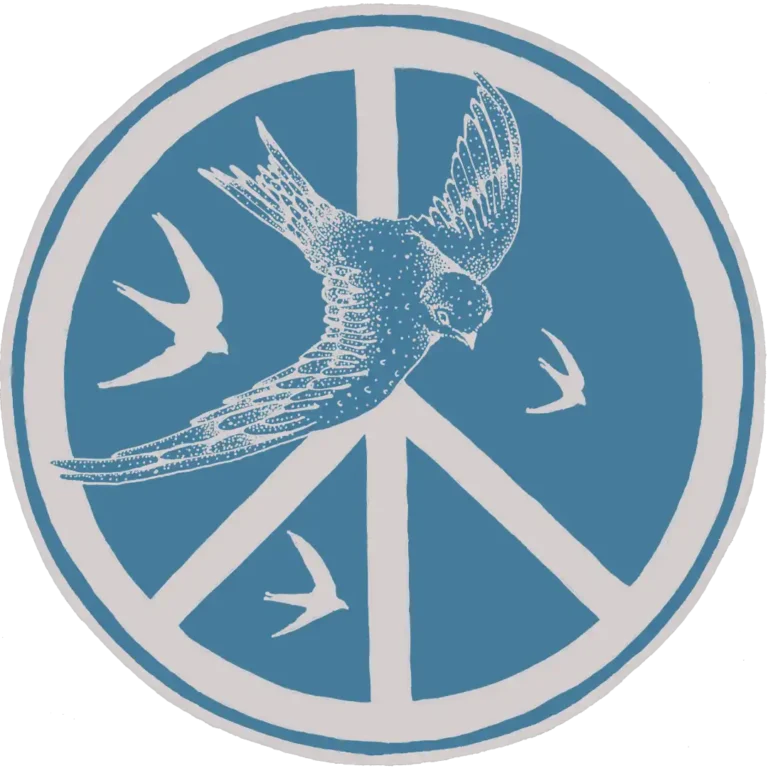
The inclusion of a Campaign for Nuclear Disarmament (CND) symbol reflects the significant protests of the 1980s against plans to expand RAF Upper Heyford, which led to the establishment of a peace camp along the Portway bridleway just outside the base perimeter. In 1983, approximately 4,000 protesters blockaded RAF Upper Heyford in advance of the general election. The CND symbol has since become a modern icon of peace.
NATURAL HISTORY INSPIRATION
A flock of swifts (Apus apus) symbolises the residents’ commitment to providing bird box homes across the site. Recognized by their long, curved wings and sharply forked tails, swifts are classified with a red conservation status in the UK and are considered near threatened in Europe. These remarkable birds spend the majority of their lives in the air and migrate to the UK from Africa each summer to breed, flying on average 250,000 miles a year (that is the equivalent of 10 laps of the Earth!) The decline in the swift population can be attributed to the loss of nesting sites, as they prefer small gaps in buildings that are often closed during renovations. More information about the Heyford Park Swifts can be found here. The swift also serves as an icon throughout the site for one of the Healthy Living Trails; further details can be found here.
HOW WE CAN HELP
To support swifts in the UK, it is essential to provide suitable nesting boxes and maintain a supply of plants that attract insects for their diet, as well as ensuring access to clean water for drinking and hygiene.
HERITAGE INSPIRATION
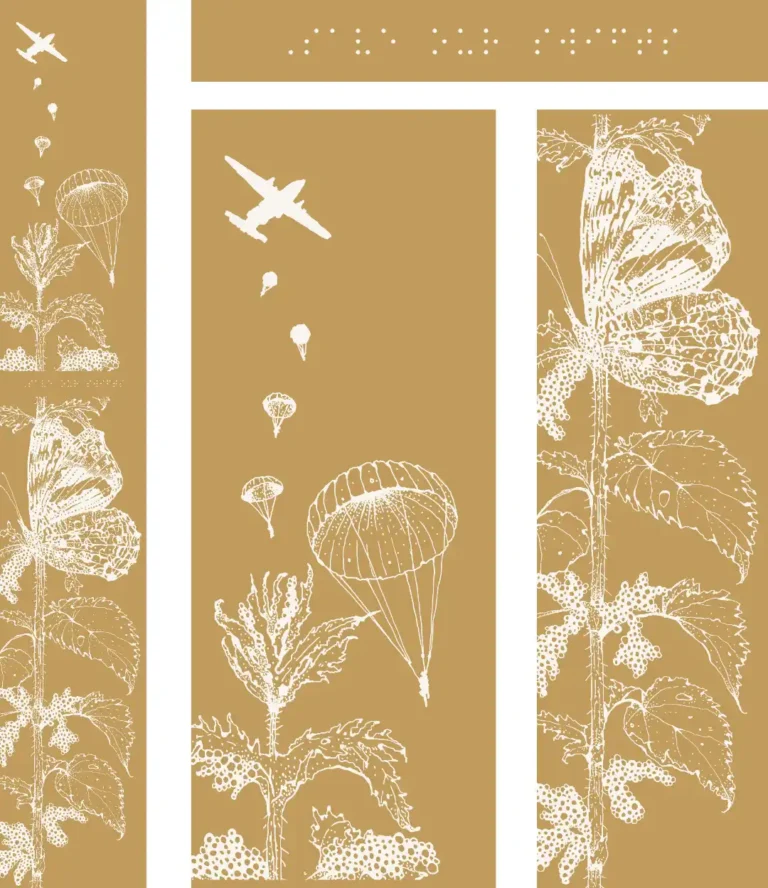
1 Parachute Training School was based at RAF Upper Heyford from 1946 until it relocated to RAF Brize Norton near Carterton in 1950 From 1947 it also trained glider pilots. The nearby airfield at RAF Weston-on-the-Green continues to serve as a regular ‘drop zone’ for the unit, now known as the Airborne Delivery Wing, allowing for ongoing parachute training exercises in the area, and the aircraft can still be seen over Heyford Park returning from the drops.
NATURAL HISTORY INSPIRATION
The red admiral butterfly (Vanessa atalanta) is the most frequently observed butterfly at Heyford Park. These butterflies depend on common nettles as the primary food source for their caterpillars and are attracted to the nectar of buddlejas, commonly referred to as butterfly bushes. Generally migratory, red admirals arrive in the UK each spring from North Africa and continental Europe, although some are now overwintering in the UK. This butterfly also serves as the icon for the accessible Healthy Living Trail, designed for wheelchair users; further information can be found here.
HOW WE CAN HELP
To support red admirals, it is crucial to maintain patches of common nettles for egg-laying and caterpillar development, as well as to cultivate a diverse array of nectar-rich plants and flowers that will sustain butterflies and other pollinators.
HERITAGE INSPIRATION
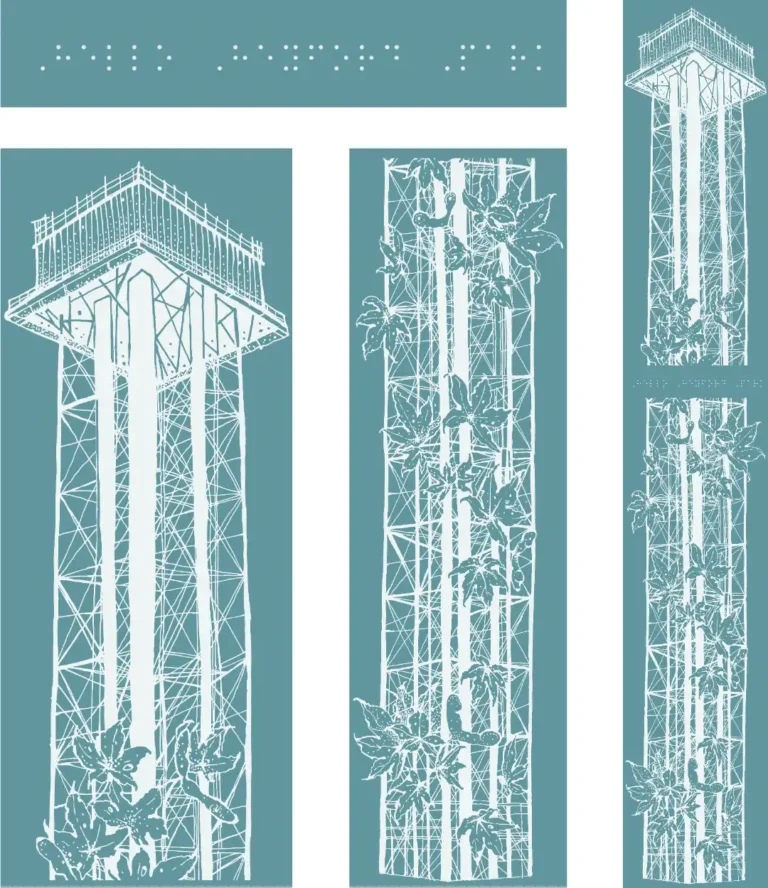
The iconic water towers of the area served as prominent landmarks and navigational markers within the site. One such tower, previously located at the top of Dacey Drive, became a popular symbol of the region. Several water towers continue to stand on the airfield, preserving this aspect of the site’s heritage. A selection of maple trees commemorates the role of the Canadian Forestry Corps in the building of the aerodrome in Upper Heyford in 1918
NATURAL HISTORY INSPIRATION
Both the field maple (Acer campestre) and the Norway maple (Acer platanoides) can be found throughout Heyford Park. Maples are known to attract aphids, along with their natural predators, including various ladybird species, hoverflies, and birds. Additionally, many moth species, such as the mocha, feed on maple leaves. The flowers of these trees provide essential nectar and pollen for bees and birds, while the fruits are consumed by small mammals. The field maple is smaller, featuring pale brown, flaky bark and more rounded leaves, while the Norway maple is larger with smooth grey bark and blooms in early spring.
DID YOU KNOW
The legendary Trojan Horse was reportedly constructed from maple wood.
TOP SECRET
Pssssst… Want to know a secret?…
The artist was inspired by her work with the School Council pupil reps and wanted to include a secret message to them in the pillars. Look at or feel each pillar very carefully and you’ll find a special message written in dots. This is called braille, it’s a system of raised dots to be read with the fingers by people who are blind or who have low vision. If you want to translate this message you can visit https://abcbraille.com/braille